



Drone Industrial Transport Solutions: Redefining Logistics in Challenging Terrains
Author:
Release time: 2026-06-22 13:39:01
View number: 434
I. Background and Industry Pain Points
In modern industrial construction, agricultural and forestry operations, and infrastructure development, traditional ground transportation models are facing severe challenges. Particularly in mountainous areas, steep slopes, and ecologically fragile zones, conventional transport methods have exposed numerous insurmountable pain points:
In modern industrial construction, agricultural and forestry operations, and infrastructure development, traditional ground transportation models are facing severe challenges. Particularly in mountainous areas, steep slopes, and ecologically fragile zones, conventional transport methods have exposed numerous insurmountable pain points:
II. Core Advantages of Industrial Drone Transport Solutions
To address these industry pain points, this solution introduces industrial heavy-lift drones, empowering traditional industrial transport through the "low-altitude economy" and establishing an "aerial expressway" unrestricted by ground conditions.
To address these industry pain points, this solution introduces industrial heavy-lift drones, empowering traditional industrial transport through the "low-altitude economy" and establishing an "aerial expressway" unrestricted by ground conditions.
1. Breaking Terrain Limitations for Universal Accessibility
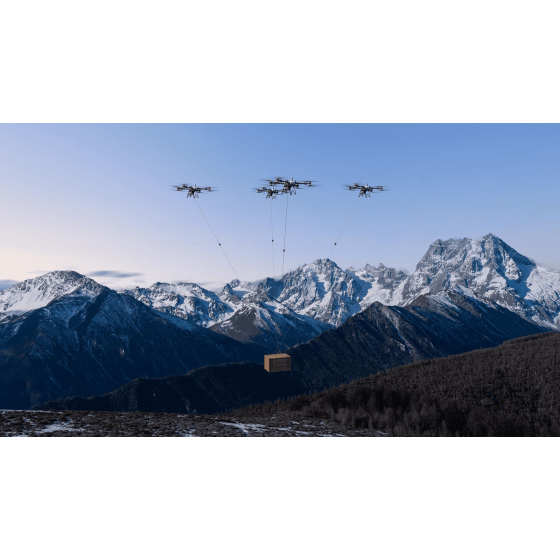
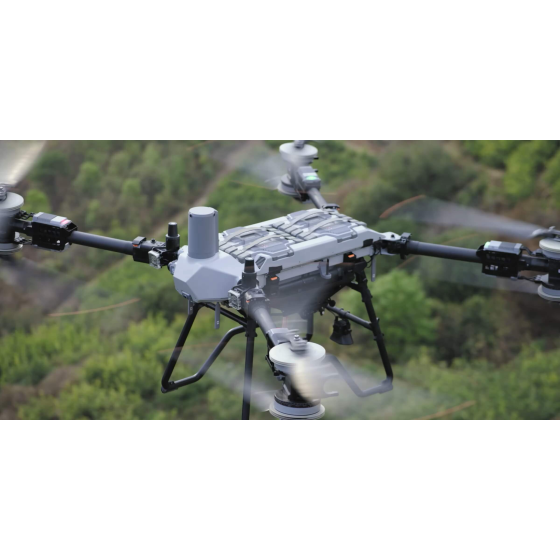
Drones utilize a "point-to-point" direct flight mode, completely breaking free from ground road networks. Whether navigating steep mountain slopes, deep valleys, or dense forests, drones can easily navigate and hover with precision. Combined with centimeter-level high-precision positioning and intelligent obstacle avoidance systems, drones can deliver seedlings, building materials, and photovoltaic components directly to complex work sites unreachable by traditional transport, truly achieving "universal accessibility."
Drones utilize a "point-to-point" direct flight mode, completely breaking free from ground road networks. Whether navigating steep mountain slopes, deep valleys, or dense forests, drones can easily navigate and hover with precision. Combined with centimeter-level high-precision positioning and intelligent obstacle avoidance systems, drones can deliver seedlings, building materials, and photovoltaic components directly to complex work sites unreachable by traditional transport, truly achieving "universal accessibility."
2. Automated Operations to Significantly Reduce Labor and Operational Costs
By introducing automated flight and intelligent dispatch systems, drones enable a safe "human-machine separation" operational mode, liberating personnel from high-risk and arduous carrying environments. In terms of efficiency, a single drone transport trip typically takes only 2-3 minutes, boosting efficiency by over 10 times compared to traditional manual labor. Moreover, the elimination of temporary access roads greatly saves infrastructure investments and land compensation expenses, significantly reducing comprehensive operational costs and providing solid support for project cost reduction and efficiency enhancement.
By introducing automated flight and intelligent dispatch systems, drones enable a safe "human-machine separation" operational mode, liberating personnel from high-risk and arduous carrying environments. In terms of efficiency, a single drone transport trip typically takes only 2-3 minutes, boosting efficiency by over 10 times compared to traditional manual labor. Moreover, the elimination of temporary access roads greatly saves infrastructure investments and land compensation expenses, significantly reducing comprehensive operational costs and providing solid support for project cost reduction and efficiency enhancement.
3. Green and Low-Carbon with Minimal Disturbance to Natural Habitats
Adhering to the concept of green construction, this solution utilizes fully electric-powered drones, achieving zero carbon emissions during transport. During aerial transport, drones remain completely off the ground, achieving "zero crushing and zero damage" to forests, crops, and surface vegetation. This maximizes the protection of original natural habitats and the ecological environment, perfectly aligning with the high standards of ecological protection in modern industrial construction.
Adhering to the concept of green construction, this solution utilizes fully electric-powered drones, achieving zero carbon emissions during transport. During aerial transport, drones remain completely off the ground, achieving "zero crushing and zero damage" to forests, crops, and surface vegetation. This maximizes the protection of original natural habitats and the ecological environment, perfectly aligning with the high standards of ecological protection in modern industrial construction.
III. Typical Application Scenarios and Value Realization
Related Products
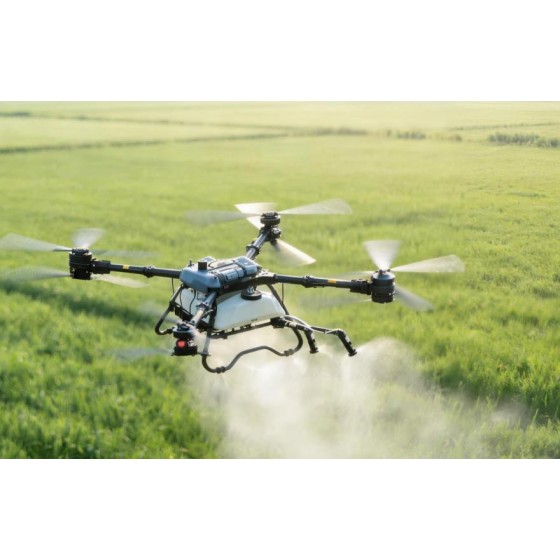
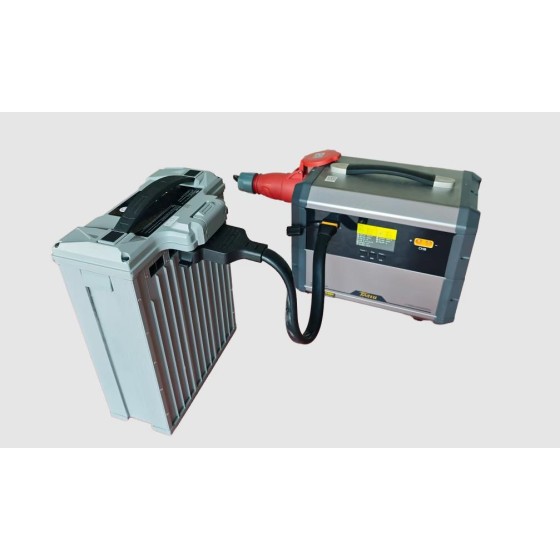
Multi-functional heavy-duty multi-rotor agricultural unmanned aerial vehicle for transportation and sowing
$18,600.00
-560x560.png)
-560x560.png)
Eight-axis heavy-duty shipborne water area lighting model
$36,860.00
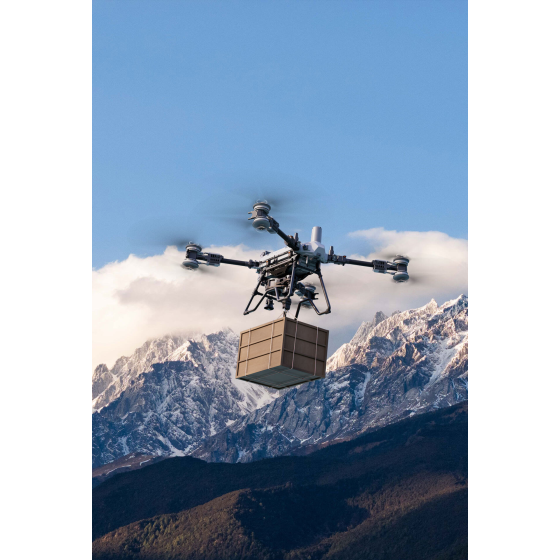
DJI FlyCart 200 carrier drone
$33,499.00
Dji T200 agricultural unmanned aircraft
$22,500.00